

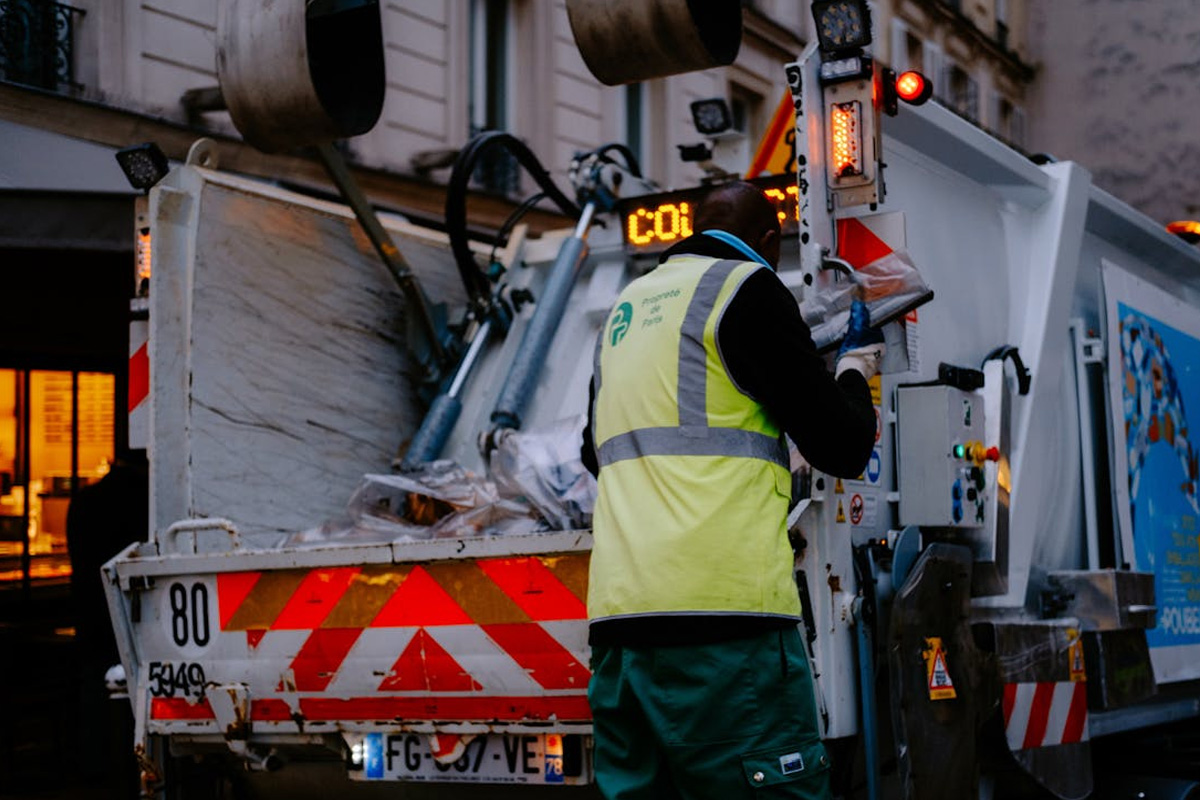
How Truck-Mounted Waste Equipment Reduces Carbon Footprints in Waste Management?
As cities expand and populations grow, managing waste sustainably has become a critical challenge. The environmental impact of traditional waste management practices, particularly the carbon emissions associated with waste collection and transportation, has led to the need for innovative solutions. Truck-mounted waste management equipment is emerging as a game-changer in this context, offering technologies and features that significantly reduce carbon footprints.
In this blog, we’ll explore how truck-mounted waste equipment contributes to a more sustainable future by minimizing greenhouse gas emissions, optimizing operational efficiency, and supporting eco-friendly practices.
The Environmental Impact of Traditional Waste Management
Traditional waste management methods often rely on outdated vehicles and inefficient processes, leading to:
- High Fuel Consumption: Conventional diesel-powered waste collection trucks consume significant amounts of fuel, contributing to carbon dioxide (CO₂) emissions.
- Frequent Trips to Landfills: Inefficient compaction systems require more trips to disposal sites, increasing fuel usage and emissions.
- Open Burning and Methane Emissions: Improper waste disposal methods release methane, a greenhouse gas far more potent than CO₂.
These practices exacerbate climate change and harm air quality, making it imperative to adopt greener alternatives.
How Truck-Mounted Waste Equipment Minimizes Carbon Footprints?
Modern truck-mounted waste equipment is designed with advanced technologies and features that mitigate environmental impact. Here’s how:
1. Fuel-Efficient Engines
One of the most significant contributors to carbon emissions in waste management is fuel consumption. Truck-mounted equipment now incorporates:
- Hybrid Engines: Combining electric and fuel power to reduce reliance on diesel.
- Electric-Powered Systems: Fully electric waste trucks produce zero tailpipe emissions.
- Compressed Natural Gas (CNG) Engines: Offering cleaner combustion compared to traditional fuels.
These innovations lower CO₂ emissions and reduce the overall carbon footprint of waste collection operations.
2. Optimized Route Planning
Advanced truck-mounted equipment often comes with integrated GPS and route optimization software. These systems:
- Minimize Travel Distances: By identifying the shortest and most efficient routes.
- Reduce Idle Time: Ensuring trucks spend less time stuck in traffic.
- Enhance Fleet Coordination: Avoiding overlapping routes and redundant trips.
Efficient route planning significantly reduces fuel consumption and emissions, making waste collection operations more sustainable.
3. High-Performance Compaction Systems
Compaction technology plays a crucial role in reducing the frequency of trips to disposal sites. Modern truck-mounted waste equipment features:
- Adjustable Compaction Ratios: Tailored to different types of waste, maximizing load capacity.
- Hydraulic Systems: Efficiently compress waste to reduce its volume.
- Energy-Efficient Operation: Using minimal power to achieve high compaction levels.
By enabling trucks to carry more waste per trip, these systems reduce the number of journeys required, cutting fuel use and emissions.
4. Reduced Noise Pollution
While not directly linked to carbon emissions, noise pollution is another environmental concern associated with waste collection. Truck-mounted equipment now incorporates:
- Quiet Engines: Electric and hybrid systems produce significantly less noise than diesel engines.
- Advanced Gear Mechanisms: Operate smoothly and quietly.
Lower noise pollution contributes to a healthier urban environment, complementing efforts to reduce carbon footprints.
5. Integration of Smart Technology
Smart technology has revolutionized waste management by enabling data-driven decision-making. Features include:
- IoT Sensors: Monitor waste levels in bins, reducing unnecessary collection trips.
- Real-Time Data: Track fuel consumption and optimize vehicle performance.
- Predictive Maintenance: Identifies potential issues before they cause breakdowns, ensuring vehicles run efficiently.
These technologies help waste management companies streamline operations, reduce fuel usage, and lower emissions.
6. Eco-Friendly Materials and Manufacturing
The environmental impact of waste management equipment extends beyond its operational life. Manufacturers are now focusing on:
- Sustainable Materials: Using recycled and recyclable materials in truck construction.
- Energy-Efficient Manufacturing: Reducing emissions during production processes.
- Longer Lifespans: Designing durable equipment that requires fewer replacements.
These practices ensure that the equipment’s environmental impact is minimized throughout its lifecycle.
7. Segregation and Recycling Capabilities
Truck-mounted waste equipment with built-in segregation features supports recycling efforts by:
- Separating Waste at Source: Dividing organic waste, recyclables, and non-recyclables.
- Reducing Landfill Dependency: Ensuring recyclable materials are processed appropriately.
- Lowering Methane Emissions: By diverting organic waste from landfills where it would decompose and release methane.
Encouraging recycling not only reduces carbon footprints but also conserves natural resources.
8. Emission Control Technologies
Many truck-mounted systems now include advanced emission control technologies, such as:
- Particulate Filters: Capture fine particles that contribute to air pollution.
- Selective Catalytic Reduction (SCR): Reduces nitrogen oxide (NOx) emissions.
- AdBlue Systems: Use urea-based solutions to neutralize harmful emissions.
These technologies ensure compliance with stringent environmental regulations while minimizing the trucks’ ecological impact.
9. Support for Circular Economy Practices
Truck-mounted equipment facilitates circular economy practices by:
- Collecting Recyclable Materials: Enabling efficient sorting and processing.
- Transporting Compostable Waste: Supporting urban composting programs.
- Promoting Waste-to-Energy Initiatives: Delivering waste to facilities where it can be converted into energy.
By integrating waste management into circular economy models, these trucks help cities reduce their reliance on landfills and fossil fuels.
10. Public Awareness and Engagement
Some truck-mounted systems are equipped with interactive features that engage the public, such as:
- Digital Displays: Provide information on recycling and waste reduction tips.
- Eco-Friendly Branding: Highlight the municipality’s commitment to sustainability.
- Educational Campaigns: Use the trucks as moving billboards to promote environmental awareness.
Encouraging public participation in waste reduction efforts amplifies the impact of these technologies, fostering a collective approach to sustainability.
The Broader Impact of Sustainable Waste Management
The adoption of truck-mounted waste equipment with these features has far-reaching benefits, including:
- Improved Air Quality: Reduced emissions lead to cleaner, healthier urban environments.
- Cost Savings: Lower fuel consumption and efficient operations result in significant savings for municipalities and waste management companies.
- Enhanced Reputation: Demonstrating a commitment to sustainability can boost public trust and attract eco-conscious businesses and residents.
By addressing the environmental, economic, and social aspects of waste management, these trucks play a pivotal role in building sustainable cities.
Conclusion: Driving Toward a Greener Future
Truck-mounted waste equipment is transforming the waste management landscape, offering innovative solutions to reduce carbon footprints and promote sustainability. From fuel-efficient engines to smart technology integration, these features are helping cities tackle the challenges of waste management in an environmentally responsible way.
As global efforts to combat climate change intensify, the adoption of advanced waste management technologies will be essential. By investing in eco-friendly truck-mounted equipment, municipalities and private companies can lead the way in creating cleaner, greener, and more sustainable urban environments.